CYLIND FOR SHOP PRESS WITH METER Manufacturer in China
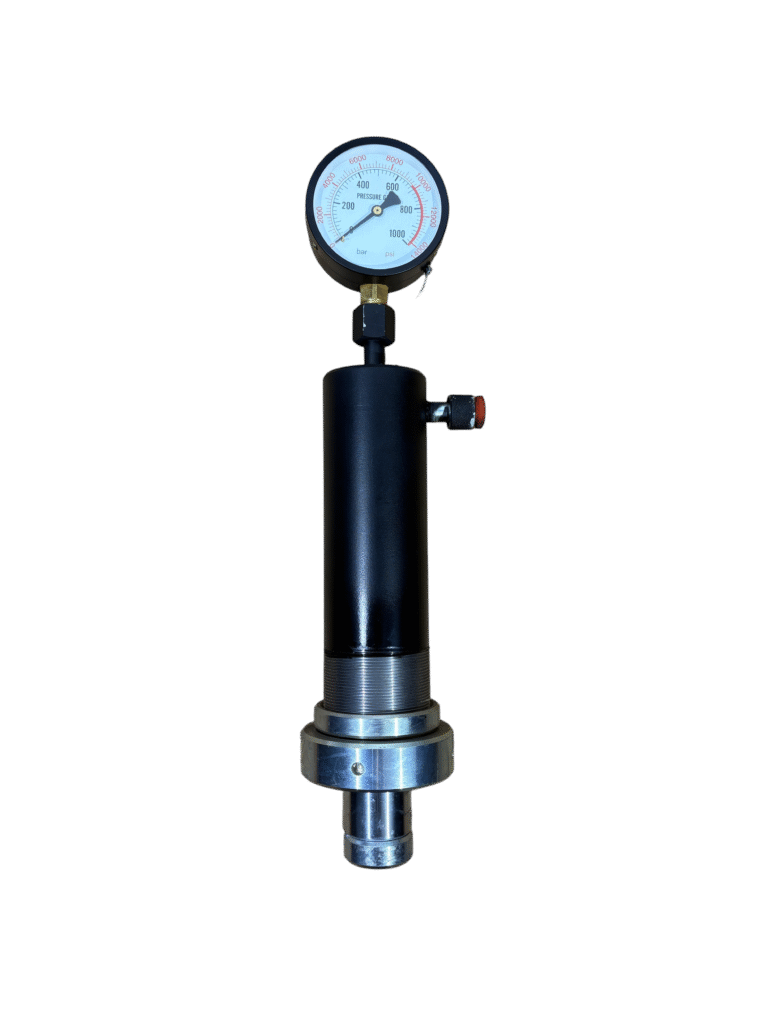
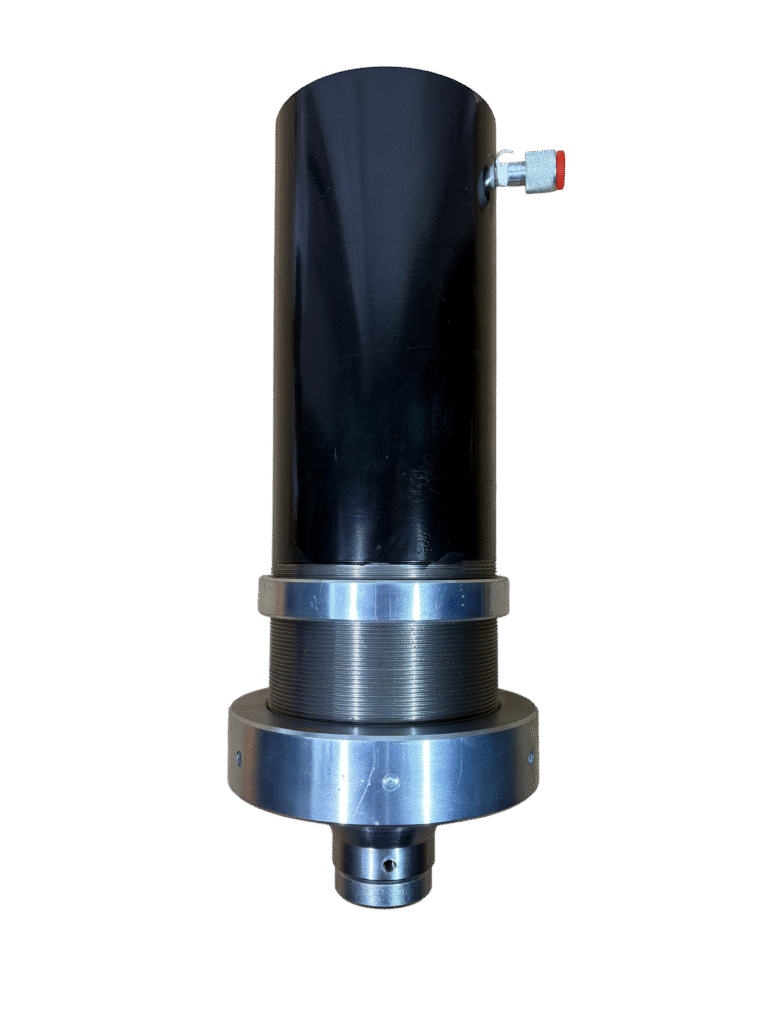
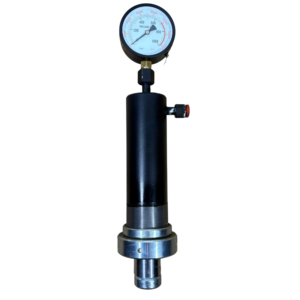
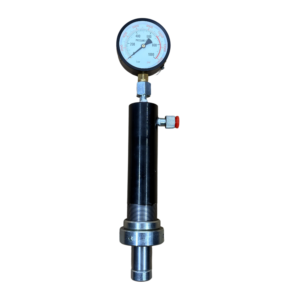
We produce precision cylinders with integrated meters for shop presses, designed for accurate pressure control and stable industrial use across workshops and repair environments.
What We Offer as a CYLIND FOR SHOP PRESS WITH METER Manufacturer in China
As a specialized manufacturer in China, we supply meter-equipped press cylinders engineered for consistent performance, long service life, and precise pressure monitoring. Our OEM/ODM services support customized pressure ranges, stroke lengths, cylinder structures, and branded components to fit different shop press models. Whether you need private-label production, upgraded press systems, or specialized configurations for industrial applications, we deliver reliable solutions tailored to professional workshop demands.
Product List
Features & Advantages
CYLIND FOR SHOP PRESS WITH METER
Accurate Pressure Readout
Built-in meter provides precise readings, helping technicians work safely and confidently.
Reinforced Industrial Cylinder Body
Thick steel construction ensures durability under continuous workshop and industrial workloads.
Smooth & Efficient Stroke Movement
Stable hydraulic control improves workflow efficiency and reduces operator fatigue.
Compatible with Multiple Shop Press Models
Designed to fit various press structures, making it easy for distributors to serve different market needs.
Why Choose Us for CYLIND Manufacturing
Strict Material & Sealing QC
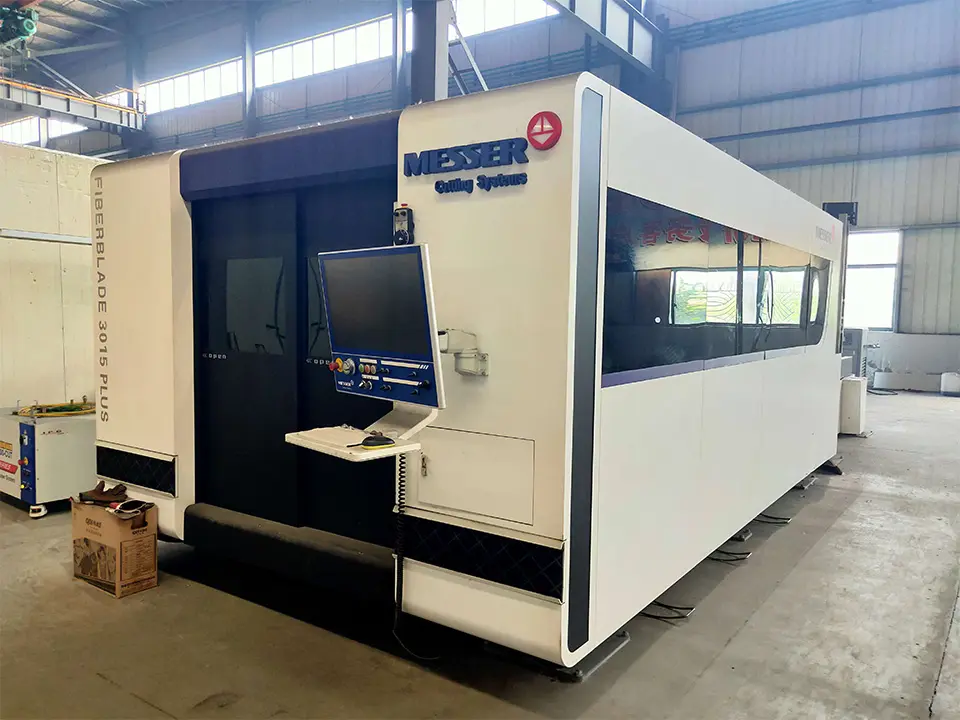
Each cylinder undergoes multi-stage inspection to guarantee stable pressure output and leak-free performance.
Fast Lead Times for OEM Orders
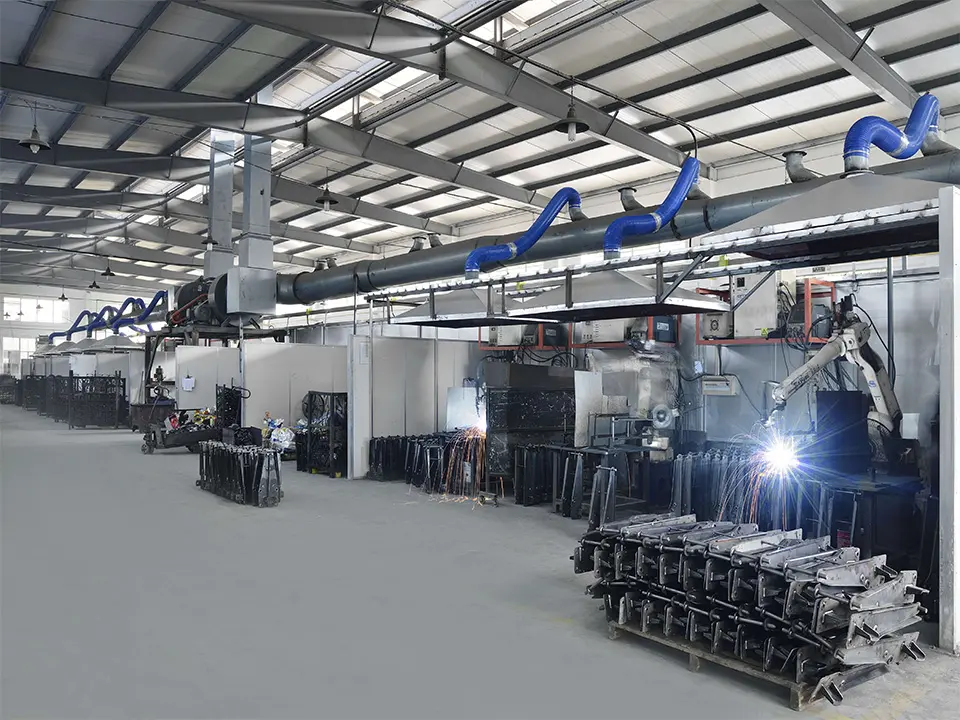
Well-managed production lines allow us to meet urgent schedules and large-volume demand.
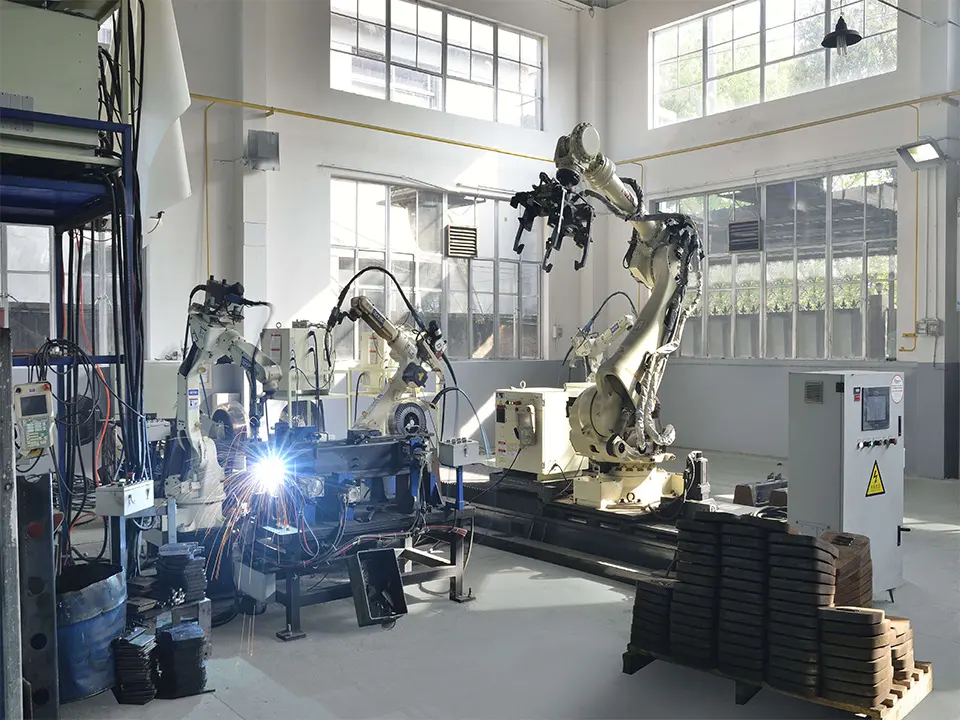
Engineering Support for Meter Customization
We tailor meter type, scale, and integration based on your shop press specifications.
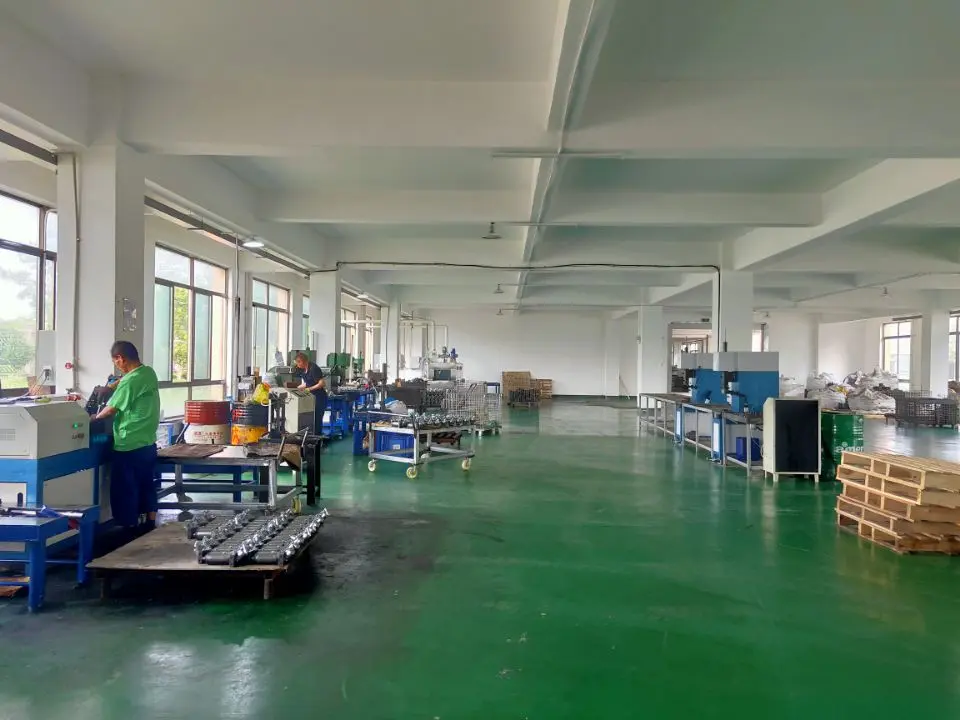
Competitive China Factory Pricing
Direct manufacturing lowers cost while maintaining consistent performance standards.
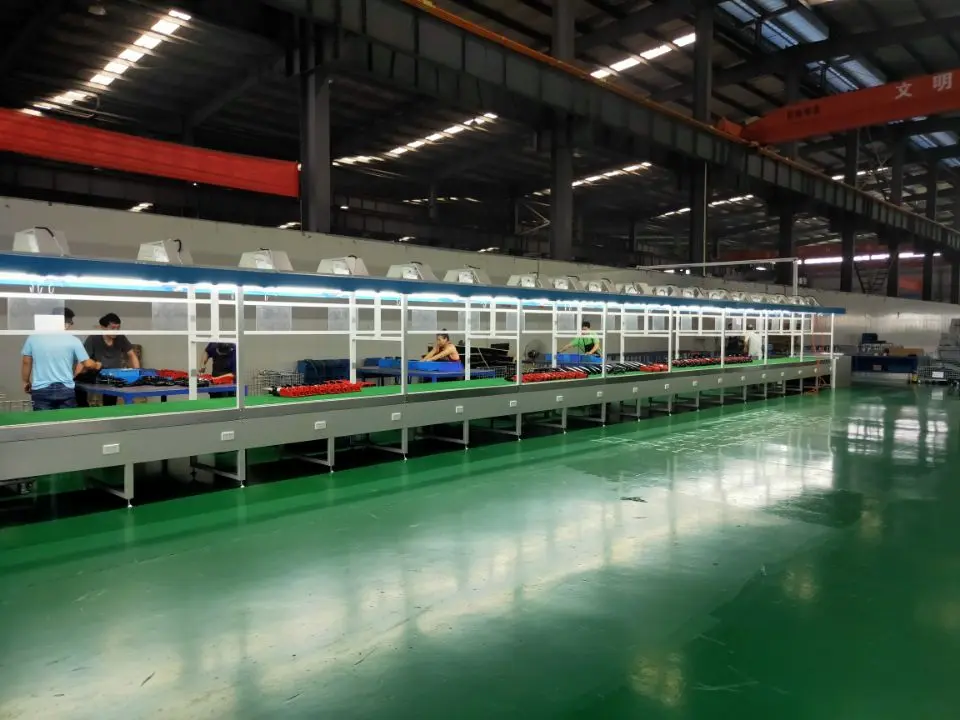
Reliable Spare Parts & After-Sales Support
We provide seals, meters, and cylinder components to support long-term use and maintenance.
Work With a Trusted CYLIND FOR SHOP PRESS WITH METER Manufacturer in China
Get reliable OEM/ODM manufacturing, stable quality, and competitive factory pricing for your shop press product line.
Frequently Asked Questions
01.What certifications do your garage equipment meet?
Donli products comply with major international standards, including CE and ANSI/ASME.
Every batch goes through load testing and detailed quality inspections, and our factory operates under a certified ISO quality management system to ensure safety and consistency.
02.Can Donli support mixed orders for different equipment
Yes. We fully support mixed container loading.
You can combine floor jacks, engine stands, shop presses, hydraulic tools, and other models in a single shipment to reduce your purchasing cost and simplify replenishment.
03.Do you offer spare parts and long-term maintenance support?
Yes. Donli keeps a complete stock of seal kits, hydraulic cylinders, pumps, valves, wheels, and handle components.
We also provide long-term after-sales support, including troubleshooting videos and technical guidance to keep your equipment running smoothly.
04.What is your average lead time for bulk orders?
Our typical lead time is 25–30 days for bulk orders, depending on the quantity and product types.
During peak seasons, we arrange production in advance, and urgent orders can be prioritized to help keep your inventory stable.
05.Can you customize equipment specifications for our market?
Absolutely. Donli offers full OEM/ODM customization, including:
Custom colors
Private logo and packaging
Different load capacities (1–50 tons)
Reinforced structures and market-specific designs
We can follow your drawings or requirements to create a product that fits your local market perfectly.
Table of Contents
Pneumatic Pump:
A pneumatic pump is one of the most reliable power sources used in automotive workshops, hydraulic repair centers, and industrial maintenance facilities. It converts compressed air into hydraulic pressure, allowing technicians to lift, push, press, or straighten components with minimal effort. If you work with rams, porta power kits, or shop presses, understanding how a pneumatic pump works can help you choose the right model and achieve better performance in daily operations.
What Is a Pneumatic Pump and How It Works
A pneumatic pump is an air-driven hydraulic pump. Instead of using manual force or electricity, it uses compressed air to generate hydraulic pressure. When air enters the pump, it drives the internal air motor, which then forces hydraulic oil through the outlet. This creates the pressure required to operate cylinders, rams, and hydraulic tools.
The process is simple, efficient, and ideal for environments where continuous, high-output pressure is needed without heavy electrical equipment.
Types of Pneumatic Pumps
Pneumatic pumps are available in several configurations:
Single-acting pneumatic pumps – Provide pressure in one direction, suitable for simple lifting or pushing applications.
Double-acting pneumatic pumps – Deliver pressure in both directions, making them ideal for more precise industrial tasks.
High-pressure pneumatic pumps – Built for demanding applications such as frame straightening or heavy-duty shop presses.
Foot-operated pneumatic pumps – Common in automotive repair where hands-free operation improves efficiency.
Each type matches different workshop needs and helps technicians complete tasks faster and more safely.
Types of Pneumatic Pumps
Pneumatic pumps are available in several configurations:
Single-acting pneumatic pumps – Provide pressure in one direction, suitable for simple lifting or pushing applications.
Double-acting pneumatic pumps – Deliver pressure in both directions, making them ideal for more precise industrial tasks.
High-pressure pneumatic pumps – Built for demanding applications such as frame straightening or heavy-duty shop presses.
Foot-operated pneumatic pumps – Common in automotive repair where hands-free operation improves efficiency.
Each type matches different workshop needs and helps technicians complete tasks faster and more safely.
Key Features and Advantages
Pneumatic pumps are popular because they deliver:
Stable air-driven pressure for consistent performance
High output force suitable for heavy-duty tools
Fast response and smooth operation
Low maintenance due to simple mechanical structure
Long service life, even in continuous-use environments
High compatibility with cylinders, porta power systems, and shop equipment
These features make pneumatic pumps a dependable solution for daily professional use.
Common Applications
A pneumatic pump is widely used in automotive and industrial settings, including:
Operating porta power kits for vehicle frame straightening
Powering hydraulic rams and cylinders
Driving shop presses for bearing installation or component pressing
Supporting transmission or engine repair tasks
Providing controlled pressure for industrial maintenance equipment
Its ability to deliver consistent hydraulic force makes it essential in any workshop that handles lifting, pushing, bending, or pressing operations.
Pneumatic Pump vs. Manual and Electric Pumps
Compared with manual pumps, pneumatic pumps require far less physical effort and operate much faster.
Compared with electric pumps, they are simpler, easier to maintain, and safer in environments with oil, dust, or flammable substances.
For most automotive workshops, pneumatic pumps offer the best balance of speed, durability, and cost-effectiveness.
How to Choose the Right Pneumatic Pump
When selecting a pneumatic pump, consider:
Required pressure output (PSI or bar)
Oil reservoir capacity
Compatibility with your cylinders or hydraulic tools
Air pressure available in your workshop
Frequency of use and work intensity
Noise level and response speed
Choosing a pump that matches your actual workload ensures better performance and longer equipment life.
Installation & Operation Tips
Using a pneumatic pump is straightforward, but proper setup is important:
Ensure the air supply is clean and stable
Check oil levels before operation
Use correct connectors and hoses
Avoid exceeding recommended pressure
Release pressure properly after each task
Following these steps helps maintain safe and efficient operation.
Maintenance & Troubleshooting
Pneumatic pumps require minimal maintenance. The most common checks include:
Inspecting seals and hoses for wear
Ensuring clean air input to prevent contamination
Checking for pressure loss
Monitoring oil levels and potential leaks
Common issues such as weak pressure or slow operation often relate to air supply problems or worn-out sealing components and can be resolved with simple adjustments.
Safety Considerations
Always operate pneumatic pumps within the recommended pressure range.
Avoid using damaged hoses, keep the workspace clean, and ensure all connections are secure before pressurizing the system. Proper safety practice not only protects the equipment but also prevents workshop accidents.
Conclusion
A pneumatic pump is a powerful, reliable, and efficient tool for any workshop that requires consistent hydraulic pressure. Its simple structure, high durability, and strong performance make it a preferred choice for lifting, pressing, and equipment repairing tasks. Understanding how the pump works—and how to select the right model—ensures you get the best long-term value from your workshop equipment.